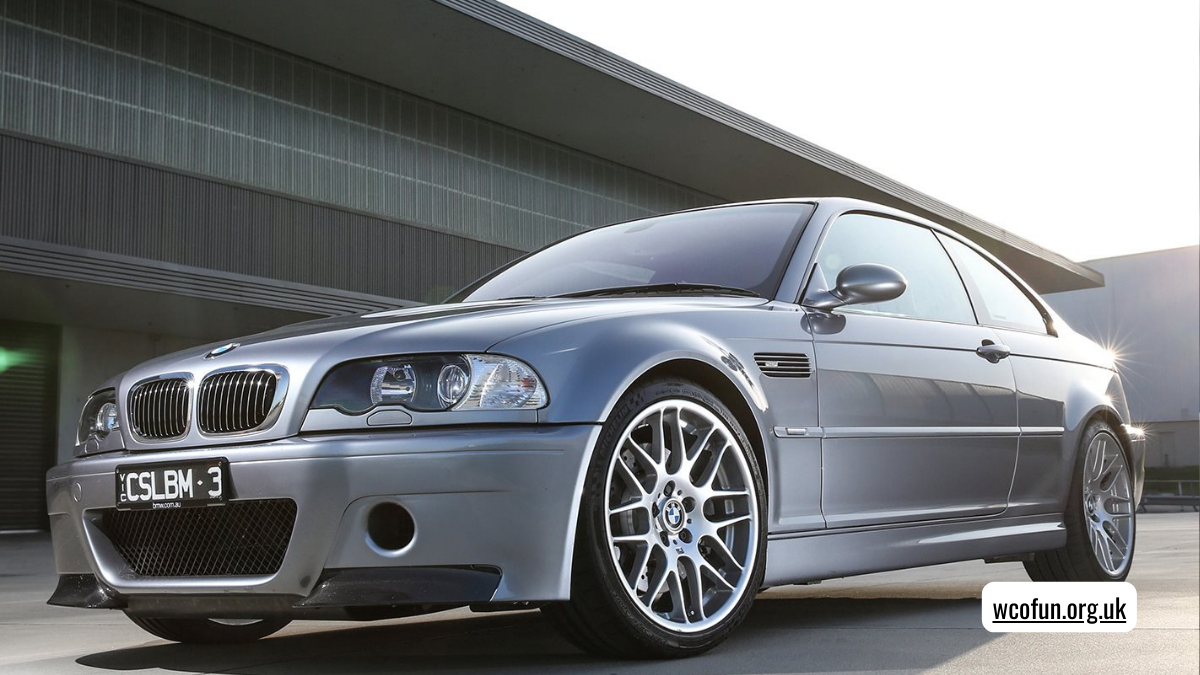
bmw bmw e46
BMW BMW E46: The Ultimate Guide to a Modern Classic Icon
The BMW BMW E46 stands as one of the most celebrated generations of the 3 Series, blending precision engineering with everyday usability. Produced between 1997 and 2006, this platform elevated compact executive performance cars to a new standard and continues to command respect among enthusiasts, collectors, and engineers alike.
Whether you’re considering ownership, restoration, performance upgrades, or simply researching automotive history, understanding the BMW BMW E46 requires more than surface-level knowledge. This in-depth authority guide explores its engineering DNA, model variants, reliability realities, driving dynamics, and long-term value—positioning it as one of the defining performance sedans of its era.
Historical Context and 3 Series Evolution
The BMW BMW E46 replaced the BMW E36, refining its predecessor’s chassis balance while significantly improving interior quality and structural rigidity. BMW’s engineering philosophy during this period emphasized precision steering, balanced weight distribution, and driver engagement, resulting in a platform that felt both mature and athletic.
It was later succeeded by the BMW E90, which introduced more electronic systems and a broader technological footprint. Yet many enthusiasts argue that the BMW BMW E46 represents the sweet spot between analog driving purity and modern refinement.
Design Philosophy and Exterior Styling
The exterior of the BMW BMWE46 was penned under the direction of Chris Bangle’s design leadership era, though it maintained a classic BMW aesthetic. Subtle fender arches, balanced proportions, and the iconic kidney grille delivered understated aggression without excess ornamentation.
Unlike later generations that leaned heavily into sharp creases and experimental lines, the BMW BMW E46 preserved a timeless silhouette. Its clean surfacing allows it to age gracefully, contributing significantly to its status as a modern classic.
Body Styles and Market Variants
The BMW BMW E46 was offered in multiple body configurations including sedan, coupe, convertible, and touring wagon. This versatility broadened its appeal across demographics, from family drivers to track enthusiasts.
Global markets also received region-specific trims and drivetrain variations. Rear-wheel drive remained standard in most configurations, reinforcing the performance-oriented DNA of the BMW BMW E46 platform.
Engine Lineup and Performance Range
One of the platform’s greatest strengths lies in its diverse engine offerings. Inline-four and inline-six petrol engines defined the lineup, delivering smooth power delivery and distinctive mechanical character.
The inline-six variants, in particular, became synonymous with BMW engineering excellence. These naturally aspirated engines combined balance, sound quality, and throttle response that still resonate strongly in the enthusiast community.
The Legendary BMW E46 M3
No discussion of the BMW BMWE46 is complete without highlighting the BMW M3 E46. Powered by the high-revving S54 inline-six engine, it delivered motorsport-inspired performance in a road-legal package.
Producing over 330 horsepower in most markets, the E46 M3 achieved near-perfect weight distribution and razor-sharp steering. It remains one of the most revered M cars ever produced, often cited as a benchmark for balanced performance engineering.
Chassis Engineering and Driving Dynamics
The BMW BMW E46 utilized a near 50:50 weight distribution and a multi-link rear suspension system that enhanced stability during cornering. Steering feedback was direct, mechanical, and communicative—traits increasingly rare in modern electric-assisted systems.
On winding roads, the chassis feels intuitive and predictable. Drivers frequently describe the BMW BMW E46 as a car that “shrinks around you,” inspiring confidence through its precise balance.
Interior Design and Ergonomics
Inside, the BMW BMW E46 introduced higher material quality than previous generations. Soft-touch plastics, driver-focused dashboards, and intuitive control placement reinforced BMW’s reputation for ergonomic excellence.
While technology was modest by today’s standards, the layout emphasized usability. Climate controls, analog gauges, and tactile switches created an environment that prioritized driving engagement over digital complexity.
Transmission Options and Gearbox Experience
Manual transmissions played a central role in the BMW BMW E46 experience. The five-speed and six-speed manuals delivered crisp shifts and mechanical engagement.
Automatic variants were also available, including the SMG sequential gearbox in the M3. Though controversial, SMG represented BMW’s early exploration into automated manual performance systems.
Reliability Insights and Maintenance Considerations
Like any performance-oriented vehicle, the BMW BMW E46 requires informed ownership. Common maintenance items include cooling system components, suspension bushings, and subframe reinforcement in certain models.
Preventive maintenance is key to longevity. Owners who proactively address wear items often report exceptional durability and high-mileage reliability from well-maintained examples.
Common Issues and Engineering Realities
Cooling system failures are among the most documented issues in the BMW BMW E46. Radiators, expansion tanks, and water pumps may require replacement as preventative measures.
Rear subframe mounting concerns, particularly in early production units, prompted inspection campaigns. Addressing these proactively preserves structural integrity and resale value.
Performance Upgrades and Aftermarket Support
The aftermarket ecosystem for the BMW BMW E46 is extensive. Suspension kits, performance exhaust systems, ECU tuning, and forced induction options are widely available.
Enthusiasts often enhance handling through coilovers and upgraded sway bars. These modifications can transform daily-driven cars into capable track-day machines while retaining street comfort.
Market Value and Investment Potential
Over the past decade, the BMW BMWE46 has experienced rising collector interest. Clean, low-mileage M3 variants have seen notable appreciation in value.
Even non-M models attract attention due to affordability and mechanical purity. Market trends suggest continued demand, particularly for unmodified or well-documented examples.
Detailed Model Comparison Table
Below is a structured comparison highlighting key variants within the BMW BMW E46 lineup.
| Model | Engine Type | Power Output | Transmission | Notable Feature |
|---|---|---|---|---|
| 318i | Inline-4 | ~143 hp | Manual/Auto | Entry-level efficiency |
| 325i | Inline-6 | ~184 hp | Manual/Auto | Balanced daily performance |
| 330i | Inline-6 | ~225 hp | Manual/Auto | Strong mid-range torque |
| M3 | S54 Inline-6 | ~333 hp | Manual/SMG | Motorsport-derived engine |
This breakdown illustrates the spectrum of capability available under the BMW BMW E46 umbrella.
Motorsport Heritage and Cultural Impact
BMW’s touring car success in the late 1990s and early 2000s reinforced the brand’s performance credibility. The E46 generation benefited directly from racing insights and chassis development experience.
As one automotive journalist famously stated, “The E46 M3 isn’t just a fast car—it’s a conversation between driver and machine.” That sentiment encapsulates the enduring emotional appeal of the BMW BMW E46.
Driving Experience in Modern Context
Compared to today’s turbocharged and electronically assisted vehicles, the BMW BMW E46 offers a refreshingly analog experience. Throttle response is immediate, steering is communicative, and chassis balance feels organic.
Modern drivers often rediscover tactile engagement when stepping into an E46. It reminds enthusiasts that driving pleasure stems from harmony between mechanical systems rather than sheer horsepower.
Ownership Experience and Community Support
A strong global community surrounds the BMW BMW E46 platform. Online forums, local car clubs, and restoration specialists contribute to a robust support network.
Parts availability remains strong due to widespread production numbers. This ecosystem lowers barriers to entry for new owners and encourages long-term stewardship.
Environmental and Efficiency Considerations
While not engineered to modern emission standards, the BMW BMW E46 delivered respectable fuel economy for its time. Inline-six engines balanced power and efficiency effectively.
Responsible ownership includes maintaining emission systems and considering environmental impact. Properly serviced vehicles can operate efficiently even decades after production.
Legacy in the BMW Lineage
Within BMW’s 3 Series evolution, the BMW BMW E46 occupies a pivotal position. It bridged traditional analog engineering with emerging digital integration.
For many enthusiasts, it represents the last generation before complexity overtook simplicity. That balance cements its legacy as a benchmark sports sedan.
Conclusion
The BMW BMW E46 remains a defining chapter in performance automotive history. Through its balanced chassis, refined engines, and timeless design, it continues to captivate drivers worldwide.
Whether admired as a collectible, daily driver, or weekend track car, the BMW BMW E46 stands as a testament to engineering integrity. Its enduring popularity confirms its place among the great modern classics.
FAQ
What makes the BMW BMW E46 so popular?
The BMW BMW E46 combines balanced handling, inline-six performance, and timeless styling, making it highly desirable among enthusiasts.
Is the BMW BMW E46 reliable?
With proper maintenance, the BMW BMW E46 can be reliable, though cooling system and subframe issues require attention.
Which BMW BMW E46 model is best for performance?
The BMW BMW E46 M3 offers the highest performance thanks to its S54 engine and motorsport-inspired chassis tuning.
Are parts expensive for the BMW BMW E46?
Parts for the BMW BMW E46 are generally accessible, though M3-specific components can command premium pricing.
Is the BMW BMW E46 a good investment?
Well-maintained BMW BMW E46 models, especially M3 variants, have shown strong appreciation potential in recent years.
You may also read
About the Author