listao tuna
Seafood lovers across the world are increasingly paying attention to listao tuna, a species that quietly powers much of the global canned fish industry while also playing a crucial role in marine ecosystems and international food supply chains. Often overshadowed by premium tuna varieties like bluefin, this fast-swimming ocean fish has become one of the most important sources of affordable protein on Earth. Its popularity is not accidental—it represents a balance between sustainability, accessibility, nutrition, and culinary versatility.
This comprehensive authority guide explores everything you need to know about listao tuna, from biological characteristics and fishing practices to nutrition science, cooking techniques, environmental debates, and evolving market trends. Whether you are a consumer, chef, nutrition enthusiast, or seafood industry observer, this article aims to provide a deeply researched yet approachable resource that explains why this species matters more than many people realize.
Understanding the Species Behind the Name
Listao tuna refers to the fish scientifically known as Katsuwonus pelamis, commonly called skipjack tuna in English-speaking markets. It belongs to the mackerel family and is recognized for its streamlined body, rapid growth cycle, and remarkable migratory behavior across tropical and subtropical oceans.
Unlike larger tuna species that mature slowly, this fish reproduces quickly and travels in massive schools. These biological traits make it resilient to fishing pressure when managed responsibly, contributing to its reputation as one of the most sustainable large-scale seafood resources available today.
Global Distribution and Ocean Habitats
This tuna species thrives in warm waters across the Pacific, Atlantic, and Indian Oceans, where temperature, currents, and food availability support large populations. Schools often follow plankton-rich zones and migrate according to seasonal oceanographic patterns.
Because of this wide distribution, fishing fleets from multiple nations depend on the species as an economic cornerstone. Coastal communities rely on predictable migration routes, creating regional fishing cultures tied closely to ocean cycles.
Physical Characteristics and Identification
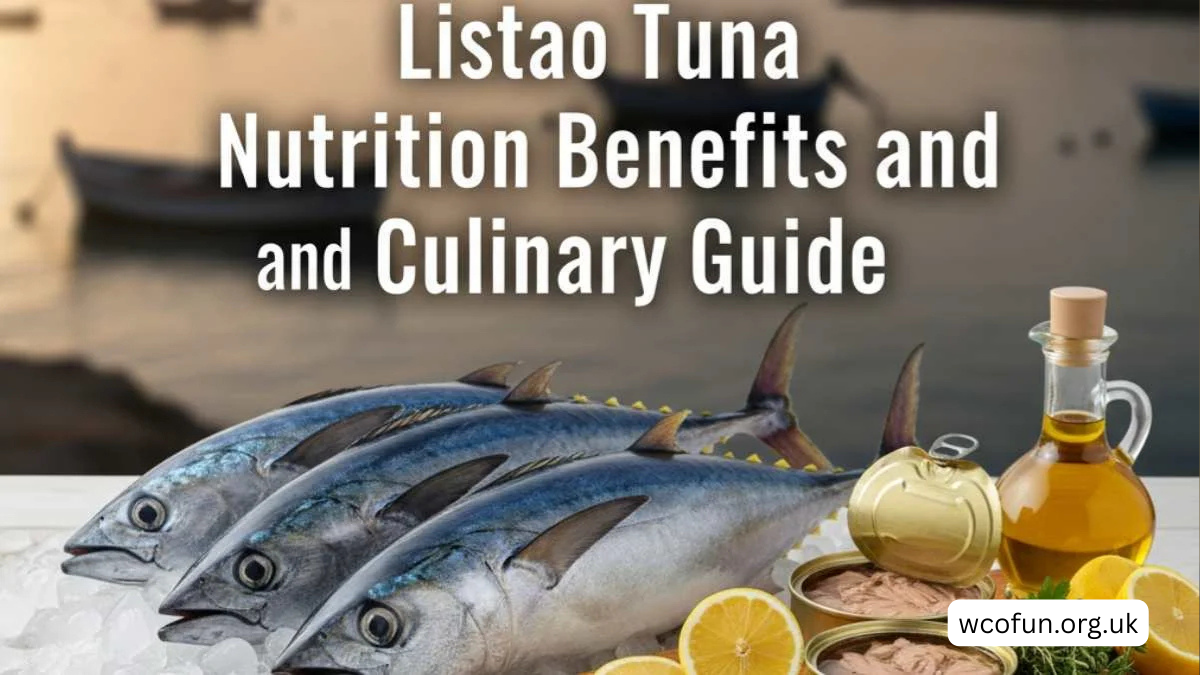
The fish is easily recognizable by its torpedo-shaped body, dark bluish back, and distinctive horizontal stripes across the belly. These markings help distinguish it from yellowfin and albacore tuna varieties.
Its smaller average size compared with premium tuna species contributes to faster reproduction rates. This biological advantage plays a central role in maintaining stable global supply despite high consumer demand.
Why It Became a Global Seafood Staple
The rise of listao tuna as a dietary staple is tied to industrial canning technology developed during the twentieth century. As preservation methods improved, affordable protein could be transported globally without refrigeration challenges.
Today, supermarkets worldwide depend heavily on this species to supply canned tuna products. Its mild flavor and firm texture adapt well to mass processing while still maintaining nutritional integrity.
Nutritional Profile and Health Benefits
From a nutrition standpoint, this tuna offers an impressive combination of lean protein, omega-3 fatty acids, and essential micronutrients. It supports cardiovascular health, muscle maintenance, and cognitive function when included in balanced diets.
Compared with many land-based protein sources, it delivers high nutrient density with relatively low saturated fat. This makes it attractive for health-conscious consumers seeking affordable seafood options.
Protein Quality and Amino Acid Composition
The protein found in this fish contains all essential amino acids required by the human body. Athletes and fitness professionals often recommend tuna because it supports recovery and muscle repair efficiently.
Its digestibility also contributes to widespread dietary acceptance. Even small servings provide meaningful nutritional value, helping populations meet daily protein requirements economically.
Omega-3 Fatty Acids and Brain Health
Omega-3 fatty acids play a vital role in reducing inflammation and supporting neurological function. Regular consumption of tuna species has been linked to improved heart health indicators.
While oil content varies depending on preparation methods, canned versions still retain significant beneficial fats. This contributes to the continued popularity of listao tuna among nutrition experts.
Vitamins and Mineral Content
This fish contains vitamin D, vitamin B12, selenium, and iodine—nutrients often lacking in modern diets. These micronutrients support immune function, metabolism, and thyroid regulation.
The concentration of selenium is particularly notable because it helps counterbalance mercury exposure risks associated with seafood consumption, making moderate intake nutritionally advantageous.
Mercury Levels and Safety Considerations
Mercury accumulation varies widely among tuna species, largely depending on lifespan and position in the food chain. Faster-growing fish typically accumulate lower concentrations.
Because it matures quickly, listao tuna generally contains lower mercury levels than larger tuna varieties. This characteristic makes it suitable for more frequent consumption within recommended dietary guidelines.
Sustainability and Responsible Fishing
Sustainability discussions dominate modern seafood conversations, and this species often appears at the center of positive examples. Many fisheries operate under monitoring programs designed to prevent overfishing.
Organizations such as Food and Agriculture Organization track global tuna stocks and emphasize science-based quotas. Responsible management ensures long-term availability without ecosystem collapse.
Fishing Methods Used Worldwide
Common harvesting techniques include purse seine fishing and pole-and-line methods. Each approach has advantages and environmental trade-offs depending on implementation.
Pole-and-line fishing is often praised for minimal bycatch, while modern purse seine systems incorporate monitoring technologies to reduce ecological impact. Industry innovation continues improving efficiency and sustainability outcomes.
Bycatch Challenges and Solutions
Bycatch refers to unintended capture of non-target species, a concern across global fisheries. Improved equipment and stricter regulations have reduced risks significantly in recent decades.
Technologies such as fish aggregation device monitoring and selective net designs help minimize ecological disruption. These advancements demonstrate how science and industry collaboration can protect biodiversity.
Economic Importance to Coastal Communities
Fishing industries supporting this tuna provide employment for millions worldwide. From vessel crews to processing workers and exporters, entire economies depend on reliable harvests.
Developing nations particularly benefit from tuna fisheries, which generate export revenue and strengthen food security. Sustainable management therefore has direct social as well as environmental implications.
Role in Global Food Security
Affordable protein sources are essential as global populations grow. Tuna products offer long shelf life, portability, and consistent nutritional value.
For many regions with limited refrigeration infrastructure, canned fish represents a stable food supply option. This makes listao tuna a strategic resource in addressing hunger challenges.
Processing and Canning Techniques
Modern canning involves cooking, cleaning, portioning, and sealing fish under strict hygiene standards. Advances in automation ensure quality consistency at massive production scales.
Flavor preservation remains a priority during processing. Manufacturers carefully control temperature and timing to maintain texture and nutritional integrity.
Flavor Profile and Culinary Appeal
The taste is often described as rich yet mild, with a slightly stronger flavor than albacore but less intensity than some larger tuna species. This balance allows it to blend well with diverse ingredients.
Chefs appreciate its versatility because it absorbs seasonings easily. From Mediterranean salads to Asian rice bowls, it adapts across culinary traditions without overpowering dishes.
Popular Dishes Around the World
In Mediterranean cuisine, tuna appears in pasta sauces and salads. In Japan and Southeast Asia, it may be used in rice preparations or savory fillings.
Latin American kitchens incorporate tuna into empanadas and spreads, demonstrating how cultural adaptation transforms a single ingredient into countless regional specialties.
Cooking Methods Beyond Canning
Although most consumers encounter canned tuna, fresh forms can be grilled, sautéed, or lightly seared. Proper preparation highlights its firm texture and natural umami flavor.
Marinating with citrus or herbs enhances brightness while preventing dryness. Gentle cooking preserves moisture and maintains nutritional benefits.
Comparing Tuna Species
Understanding differences among tuna types helps consumers make informed choices. The following table compares major commercial varieties.
| Feature | Listao/Skipjack | Yellowfin Tuna | Albacore Tuna | Bluefin Tuna |
|---|---|---|---|---|
| Average Size | Small–medium | Medium–large | Medium | Very large |
| Flavor Strength | Moderate | Mild-medium | Mild | Rich, fatty |
| Mercury Level | Lower | Moderate | Moderate | Higher |
| Sustainability Rating | Generally strong | Variable | Moderate | Often challenged |
| Common Use | Canned products | Fresh & canned | Premium canned | Sushi-grade |
| Price Range | Affordable | Mid-range | Higher | Luxury |
This comparison explains why listao tuna dominates everyday consumption markets while other species occupy premium niches.
Consumer Buying Tips
Reading labels helps identify sourcing practices, fishing methods, and certifications. Look for sustainability logos indicating verified fisheries.
Choosing tuna packed in water versus oil depends on dietary goals. Water-packed options reduce calories, while oil-packed versions enhance flavor richness.
Storage and Shelf Life
Unopened canned tuna can remain safe for years when stored in cool, dry environments. This durability contributes significantly to its global demand.
Once opened, refrigeration is essential, and consumption within a few days maintains optimal taste and safety.
Environmental Debates and Misconceptions
Some consumers assume all tuna fishing harms ecosystems equally. In reality, sustainability varies widely depending on management practices and species biology.
Because listao tuna reproduces quickly, many fisheries maintain stable populations when regulations are followed. Distinguishing facts from assumptions is essential for informed consumption.
Climate Change and Ocean Ecosystems
Rising ocean temperatures influence migration routes and spawning behavior. Scientists continue studying how climate shifts affect tuna distribution patterns.
Adaptive fisheries management helps respond to changing ecosystems. Flexible quotas and monitoring systems are increasingly necessary for long-term stability.
Technology Transforming Tuna Fisheries
Satellite tracking, electronic monitoring, and AI-driven data analysis now support fisheries management. These tools provide real-time insights into stock health.
Improved transparency benefits both regulators and consumers, enabling traceability from ocean to supermarket shelf.
Market Trends and Consumer Demand
Demand for sustainable seafood continues growing as consumers become more environmentally aware. Retailers increasingly prioritize certified sources.
Convenience foods also drive sales, as busy lifestyles favor ready-to-eat protein options. Tuna remains one of the most practical solutions in modern diets.
Cultural Significance of Tuna Consumption
Across cultures, tuna symbolizes nourishment, resilience, and maritime heritage. Fishing communities celebrate seasonal catches through festivals and traditions.
These cultural connections remind consumers that seafood represents not only nutrition but also identity and history shaped by the ocean.
Ethical Consumption and Transparency
Ethical sourcing involves fair labor practices alongside environmental responsibility. Consumers increasingly ask where and how seafood is harvested.
Transparency initiatives encourage companies to disclose supply chain information, strengthening trust between producers and buyers.
The Future of Sustainable Seafood
Experts predict continued innovation in fishing technology and certification standards. Collaboration between governments, scientists, and industry leaders remains essential.
As awareness grows, species like listao tuna may serve as models for balancing commercial demand with ecological stewardship.
Expert Perspective on Responsible Consumption
Marine researchers often emphasize moderation and diversity in seafood diets. One fisheries scientist summarized the issue succinctly: “Sustainable seafood isn’t about avoiding fish—it’s about choosing the right species at the right scale.”
This perspective highlights why understanding species biology and management practices matters more than broad generalizations about seafood consumption.
Practical Meal Planning Ideas
Incorporating tuna into weekly meals can simplify nutrition planning. It pairs easily with grains, vegetables, and legumes for balanced dishes.
Quick recipes such as tuna salads, wraps, and rice bowls demonstrate how convenience and health can coexist without sacrificing flavor.
Misunderstood Aspects of Tuna Nutrition
Many people assume canned fish lacks nutritional value compared with fresh seafood. In reality, modern processing preserves most essential nutrients effectively.
Another misconception is that all tuna tastes identical. Differences in species, packing method, and origin create noticeable variations in flavor and texture.
Educational Value for Consumers
Learning about seafood sourcing encourages more mindful eating habits. Consumers who understand supply chains often make choices aligned with sustainability goals.
Educational campaigns increasingly emphasize ocean literacy, helping people connect everyday food decisions with environmental outcomes.
Industry Innovations and Product Development
Manufacturers continue developing flavored tuna products, ready meals, and high-protein snacks. These innovations respond to changing consumer preferences.
Packaging improvements also reduce waste and enhance recyclability, aligning seafood products with broader sustainability trends.
Long-Term Outlook for Global Tuna Supply
Population growth and dietary shifts suggest increasing demand for affordable protein sources. Fisheries management must balance productivity with conservation.
If current sustainability practices continue improving, listao tuna is expected to remain a cornerstone of global seafood markets for decades.
Conclusion
The story of listao tuna is ultimately a story about balance—between affordability and nutrition, industry and environment, tradition and innovation. From its biological resilience to its central role in feeding millions worldwide, this species represents one of the most important yet underappreciated resources in modern food systems.
Understanding how listao tuna fits into global ecology, economics, and everyday diets empowers consumers to make informed decisions. As sustainability awareness grows and technology advances, this remarkable fish will likely continue shaping the future of responsible seafood consumption.
FAQ
What is listao tuna?
Listao tuna refers to skipjack tuna, a fast-growing ocean fish widely used in canned seafood products due to its affordability and strong sustainability profile.
Is listao tuna healthy to eat regularly?
Yes, listao tuna provides high-quality protein, omega-3 fatty acids, and essential vitamins, making it a nutritious option when consumed in moderation.
Does listao tuna contain high mercury levels?
Compared with larger tuna species, listao tuna generally has lower mercury concentrations because it grows quickly and has a shorter lifespan.
How is listao tuna typically prepared?
Most consumers encounter listao tuna canned in water or oil, though fresh versions can be grilled, sautéed, or used in salads and rice dishes.
Is listao tuna environmentally sustainable?
Many fisheries manage listao tuna responsibly using monitored quotas and improved fishing methods, supporting long-term sustainability when certified sources are chosen.
You may also read
About the Author