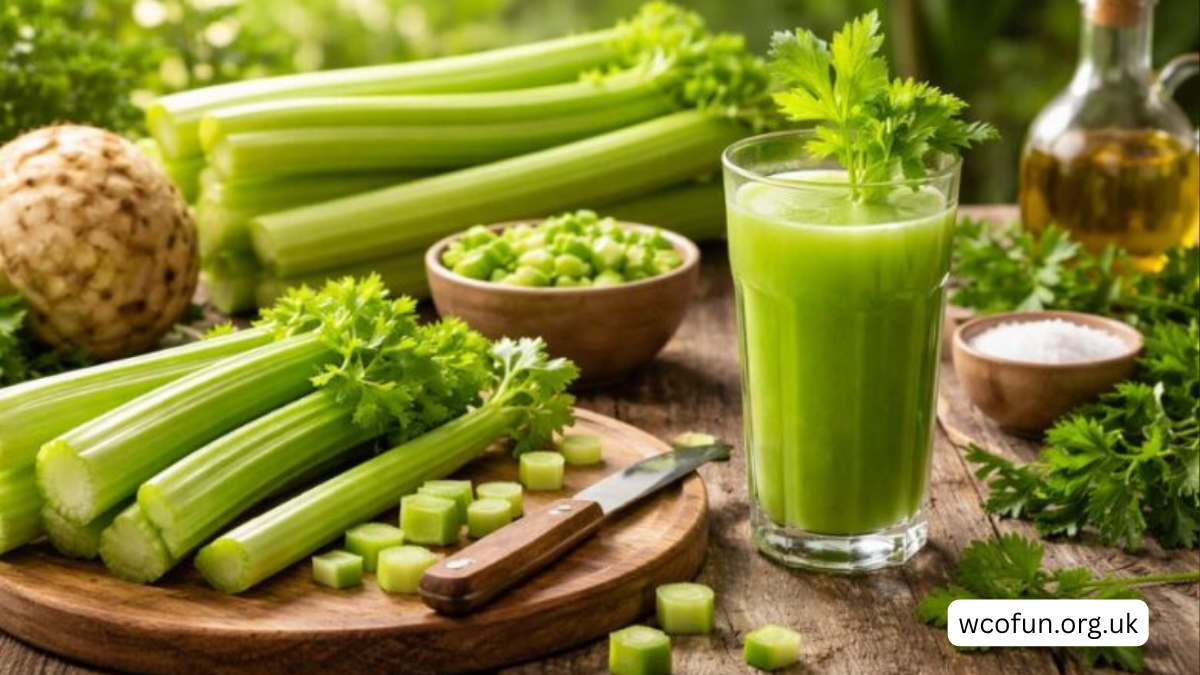
pravi celer
Fresh, aromatic, and surprisingly powerful in both culinary and nutritional value, celery has long held a respected place in traditional kitchens and modern wellness culture. Yet many people still misunderstand the difference between common celery varieties and the plant known as pravi celer, a term widely used across Balkan culinary traditions to describe true stalk celery prized for flavor, texture, and versatility.
This comprehensive guide explores everything you need to know about pravi celer — from botanical origins and nutritional science to cooking techniques, agricultural practices, and modern health perspectives. Designed as an authoritative resource, this article combines practical knowledge with expert insights to help readers fully understand why this humble vegetable continues gaining global attention.
Understanding What Pravi Celer Actually Is
Pravi celer refers to the cultivated stalk celery variety characterized by crisp stems, aromatic leaves, and balanced herbal flavor that distinguishes it from root celery and wild celery relatives. In culinary terminology, it represents the edible stalk form most commonly used fresh, cooked, or juiced across European and Mediterranean cuisines.
Botanically belonging to Apium graveolens var. dulce, pravi celer thrives in cool growing conditions and nutrient-rich soil. Its recognizable ribbed stalks and fresh green aroma result from volatile oils that contribute both flavor complexity and nutritional benefits.
Botanical Origins and Historical Background
Celery cultivation dates back thousands of years to ancient Mediterranean civilizations, where early forms were valued more for medicinal purposes than for food. Ancient Egyptians used celery leaves in ceremonial rituals, while Greek physicians documented its digestive and calming properties.
Over centuries, selective breeding transformed bitter wild plants into the tender, palatable pravi celer known today. Agricultural refinement focused on reducing bitterness, improving stalk thickness, and enhancing aromatic compounds that define modern culinary celery.
Nutritional Profile and Key Compounds
One of the most compelling aspects of pravi celer lies in its dense nutritional composition despite extremely low caloric content. It contains vitamin K, vitamin C, potassium, folate, and beneficial phytonutrients that support metabolic and cardiovascular health.
Its high water content combined with dietary fiber contributes to hydration and digestive regulation. Natural antioxidants such as flavonoids and phenolic acids help combat oxidative stress, making celery a functional food rather than merely a garnish.
Health Benefits Supported by Research
Scientific interest in celery has grown due to compounds associated with anti-inflammatory and antioxidant activity. Regular consumption may support heart health by helping regulate blood pressure through naturally occurring nitrates and potassium balance.
Pravi celer also supports digestive wellness by stimulating gastric juices and improving fiber intake. While not a miracle food, its consistent inclusion in balanced diets contributes to overall nutritional resilience.
Role in Traditional Cuisine
Across Balkan households, celery forms the aromatic base of soups, stews, and sauces alongside onions and carrots. This foundational trio builds depth of flavor without overwhelming dishes, allowing proteins and grains to shine.
In many family kitchens, pravi celer symbolizes home cooking itself. Its fragrance often signals comfort food preparation, linking culinary practice with cultural memory and seasonal eating traditions.
Modern Culinary Applications
Contemporary chefs increasingly explore celery beyond traditional uses, incorporating it into salads, smoothies, fermented preparations, and plant-forward dishes. Its clean flavor complements citrus, herbs, and roasted vegetables exceptionally well.
Fine dining kitchens now treat pravi celer as a primary ingredient rather than background flavor, highlighting textures through grilling, pickling, and slow braising techniques that reveal unexpected sweetness.
Flavor Profile and Sensory Characteristics
Celery offers a complex flavor combining mild bitterness, herbal freshness, and subtle saltiness derived from natural mineral content. This unique profile enhances savory dishes without adding sodium.
Texture plays an equally important role, as the crisp snap of pravi celer contributes contrast in raw preparations while softening elegantly during cooking. Its fibrous structure holds shape even under prolonged heat.
Differences Between Celery Varieties
Many consumers confuse stalk celery with root celery or leaf celery, yet each serves distinct culinary purposes. Understanding these differences improves ingredient selection and recipe outcomes.
| Variety | Primary Use | Texture | Flavor Intensity | Culinary Role |
|---|---|---|---|---|
| Pravi celer | Fresh stalks | Crisp | Mild aromatic | Salads, soups, juices |
| Celeriac (root celery) | Root vegetable | Dense | Earthy | Purees, roasting |
| Leaf celery | Herbs | Delicate | Strong | Garnish, seasoning |
| Wild celery | Medicinal | Tough | Bitter | Limited culinary use |
Recognizing these distinctions ensures proper use of pravi celer in recipes requiring freshness and crunch rather than earthy depth.
Growing Conditions and Climate Needs
Celery thrives in moderate climates with consistent moisture and nutrient-rich soil. Unlike drought-tolerant vegetables, it requires steady watering to maintain tender stalk development.
Farmers cultivating pravi celer prioritize soil fertility and temperature stability. Even minor stress can produce bitterness, making cultivation a careful balance between environment and plant biology.
Soil Preparation and Planting Techniques
Successful celery cultivation begins with organic-rich soil that retains moisture without becoming waterlogged. Compost and balanced mineral supplementation encourage steady growth.
Seedlings of pravi celer are typically started indoors before transplanting, allowing growers to control early development stages. Proper spacing ensures airflow and prevents disease spread.
Harvesting and Post-Harvest Handling
Timing harvest correctly determines flavor quality and texture. Mature stalks should feel firm yet flexible, indicating proper hydration and fiber development.
After harvest, pravi celer requires refrigeration and humidity control to maintain crispness. Rapid cooling preserves both nutrient density and aromatic compounds essential for culinary use.
Storage and Freshness Preservation
Proper storage significantly extends shelf life. Wrapping celery loosely in breathable material helps retain moisture while preventing condensation-related spoilage.
Many chefs store pravi celer upright in water inside refrigerators, mimicking natural hydration conditions. This method maintains texture and prolongs freshness for extended use.
Culinary Preparation Techniques
Preparation methods vary depending on intended use. Raw celery benefits from trimming fibrous outer strands, while cooked applications require uniform slicing for even texture.
Blanching pravi celer briefly before freezing preserves color and flavor. Gentle sautéing releases aromatic oils, enhancing sweetness while reducing bitterness.
Juice and Beverage Applications
Celery juice has gained popularity in wellness communities due to hydration and micronutrient content. Its refreshing profile pairs well with cucumber, apple, and lemon.
Using pravi celer in juices provides subtle mineral notes without overpowering sweetness. Balanced combinations help maintain palatability while supporting nutritional diversity.
Dietary Trends and Wellness Culture
Modern health movements emphasize whole foods and plant-based nutrition, bringing renewed attention to traditional vegetables. Celery’s low-calorie density aligns with weight-management approaches.
Social media trends have amplified awareness of pravi celer, although scientific evidence encourages balanced expectations rather than exaggerated claims.
Common Myths and Misconceptions
One widespread myth suggests celery burns more calories than it provides, often called a “negative calorie food.” While digestion requires energy, the effect is modest rather than transformative.
Another misconception assumes all celery tastes identical, ignoring agricultural variation. High-quality pravi celer differs significantly in sweetness, aroma, and texture depending on cultivation practices.
Sustainability and Environmental Impact
Celery cultivation can be environmentally efficient when managed responsibly. Crop rotation and organic fertilization reduce soil depletion and chemical reliance.
Local production of pravi celer lowers transportation emissions and supports regional agriculture, aligning with sustainable food system goals increasingly valued by consumers.
Market Trends and Consumer Demand
Demand for fresh produce continues rising as consumers prioritize health-conscious eating habits. Celery’s versatility positions it well within both traditional and modern food markets.
Retailers increasingly highlight premium varieties of pravi celer, emphasizing freshness and origin transparency as purchasing factors influencing modern buyers.
Culinary Pairings and Recipe Integration
Celery pairs naturally with legumes, poultry, seafood, grains, and root vegetables. Its aromatic profile enhances broths and sauces without dominating flavor balance.
Creative cooks use pravi celer in unexpected contexts such as pesto alternatives, shaved salads, and infused oils, demonstrating its adaptability across cuisines.
Expert Perspective on Everyday Nutrition
Nutrition experts often emphasize consistency over dietary extremes. As registered dietitian Elena Marković explains, “Simple vegetables eaten regularly often deliver greater health benefits than rare superfoods consumed occasionally.”
This insight reflects how incorporating pravi celer into everyday meals supports sustainable dietary habits rather than short-term trends.
Future of Celery in Global Cuisine
As plant-forward eating expands worldwide, traditional vegetables are gaining renewed appreciation. Chefs explore heritage varieties and regional growing techniques to enhance flavor authenticity.
Innovation will likely continue elevating pravi celer from supporting ingredient to culinary centerpiece, reflecting evolving attitudes toward vegetables as primary components of sophisticated cuisine.
Conclusion
From ancient medicinal plant to modern culinary staple, celery’s journey reflects humanity’s evolving relationship with food, agriculture, and nutrition. Its balance of flavor, versatility, and health benefits explains its enduring relevance across cultures.
Understanding pravi celer means recognizing how simple ingredients carry complex value. Whether grown in home gardens, prepared in professional kitchens, or enjoyed fresh as a snack, it remains a powerful example of how everyday foods contribute meaningfully to health and culinary creativity.
Frequently Asked Questions
What is pravi celer exactly?
Pravi celer refers to stalk celery used primarily for culinary purposes, known for crisp texture, aromatic flavor, and versatile use in cooking and fresh preparations.
Is pravi celer healthy to eat daily?
Yes, pravi celer is low in calories yet rich in vitamins, fiber, and antioxidants, making it suitable for regular inclusion in balanced diets.
How is pravi celer different from root celery?
While root celery is grown for its bulbous root, pravi celer is cultivated for its edible stalks and leaves commonly used in soups, salads, and juices.
Can pravi celer be grown at home?
Pravi celer grows well in home gardens with consistent watering, nutrient-rich soil, and moderate temperatures that prevent bitterness.
What is the best way to store pravi celer?
Keeping pravi celer refrigerated and hydrated, often wrapped loosely or stored upright in water, helps maintain freshness and crisp texture longer.
You may also read
About the Author