Ural Mountains
The Ural Mountains are one of the most significant natural landmarks in the world, not because of towering peaks or dramatic landscapes, but because of what they represent. Stretching across western Russia, the Urals form the traditional boundary between Europe and Asia, making them a geographical divider with global importance. This mountain range has shaped history, influenced cultures, and defined political borders for centuries.
Unlike younger mountain systems, the Ural Mountains are ancient and weathered, giving them a softer appearance compared to the Alps or Himalayas. Yet their age tells a powerful story of Earth’s geological past. Over millions of years, these mountains have witnessed continental collisions, climate shifts, and the rise of civilizations that depended on their natural resources.
Today, the Ural Mountains remain a vital region, rich in minerals, biodiversity, and cultural heritage. They continue to support industries, indigenous communities, and growing tourism, proving that even ancient landscapes can remain relevant in the modern world.
Geographical Location and Extent
The Ural Mountains extend approximately 2,500 kilometers from the Arctic Ocean in the north to the Ural River and Kazakhstan in the south. This long stretch cuts through western Russia, passing through regions such as Perm, Sverdlovsk, Chelyabinsk, and Bashkortostan. Their linear formation makes them one of the clearest natural dividing lines on the planet.
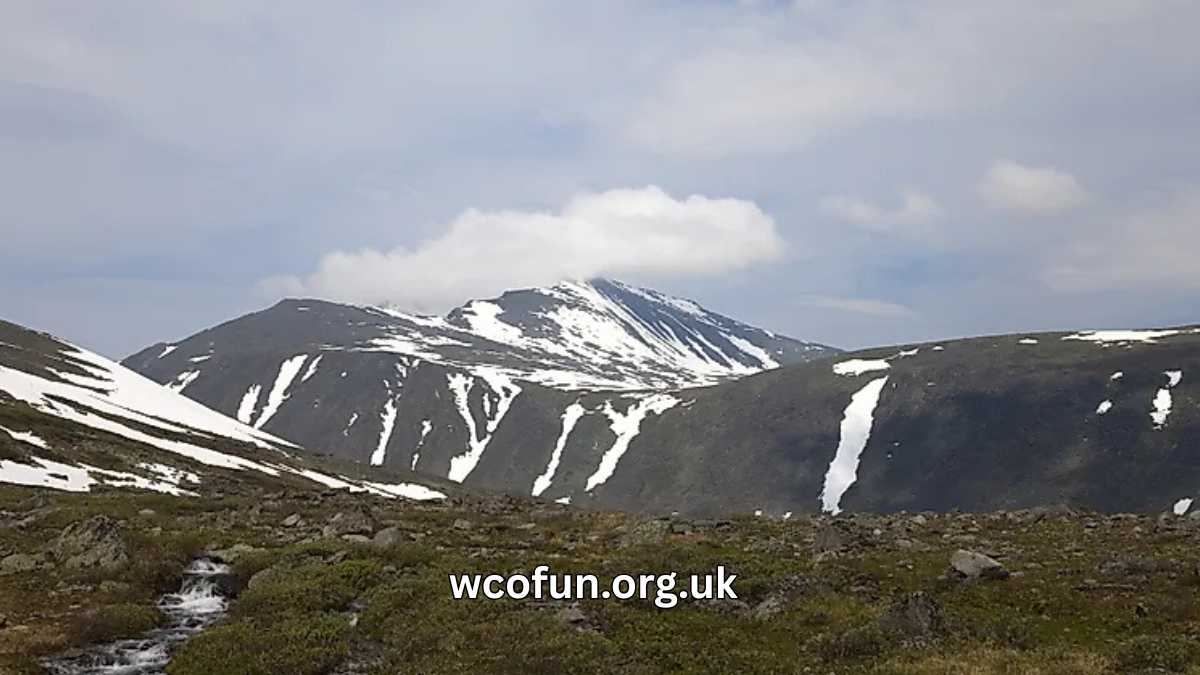
Geographically, the Urals are divided into five main sections: the Polar Urals, Subpolar Urals, Northern Urals, Central Urals, and Southern Urals. Each section has distinct physical features, climate conditions, and elevations. The highest peak, Mount Narodnaya, rises to about 1,895 meters and is located in the Subpolar Urals.
Despite their length, the Ural Mountains are relatively narrow, rarely exceeding 150 kilometers in width. This narrowness has historically made them easier to cross, which contributed to trade routes, migration, and military movements between Europe and Asia.
Geological Formation and Age
The Ural Mountains are among the oldest mountain ranges on Earth, formed approximately 250 to 300 million years ago during the late Paleozoic era. Their formation occurred when the ancient supercontinents of Europe and Siberia collided, creating intense pressure that pushed the Earth’s crust upward.
Because of their age, the Urals have undergone extensive erosion. What were once towering peaks have been gradually worn down by wind, water, and ice, resulting in rounded slopes and modest elevations. This erosion has also exposed deep layers of rock, making the region incredibly valuable for geological study.
The mountains are rich in diverse rock formations, including granite, limestone, and volcanic rocks. These formations are the reason the Ural Mountains are famous for minerals such as iron ore, copper, gold, platinum, and precious gemstones, earning them the nickname “the mineral treasure house of Russia.”
Climate and Weather Patterns
The climate of the Ural Mountains varies significantly from north to south due to their vast length. In the northern regions, especially near the Arctic Circle, the climate is harsh, with long, cold winters and short, cool summers. Snow cover can last for most of the year, shaping the landscape and limiting vegetation.
In the central and southern Urals, the climate becomes more moderate. Winters are still cold, but summers are warmer and more suitable for agriculture and human settlement. The mountains influence regional weather by acting as a barrier that affects wind patterns and precipitation.
Seasonal changes play a major role in shaping life in the Urals. Spring brings melting snow and rising rivers, while autumn transforms forests into vibrant displays of color. These seasonal contrasts make the region both challenging and visually striking.
Flora and Fauna of the Ural Mountains
The Ural Mountains support a wide range of ecosystems, from tundra in the north to dense forests and grasslands in the south. Northern areas are dominated by mosses, lichens, and low shrubs, while the central and southern Urals feature vast taiga forests made up of pine, spruce, and birch.
Wildlife in the region is equally diverse. Large mammals such as brown bears, wolves, lynx, elk, and wild boar roam the forests, while smaller species like foxes and martens are commonly found. Birdlife is abundant, with many migratory species using the Urals as a natural corridor.
Several protected areas and national parks have been established to preserve this biodiversity. These conservation efforts are essential, as industrial activity and climate change continue to pose risks to natural habitats.
Rivers, Lakes, and Natural Resources
The Ural Mountains are the source of many important rivers, including the Ural River, which flows south into the Caspian Sea. Other rivers originating from the Urals drain into both the Arctic Ocean and the Caspian basin, highlighting the region’s hydrological importance.
Lakes in the Ural region are often clear and surrounded by forests or mountains, making them ecologically valuable and visually appealing. Many of these lakes support fishing communities and local tourism.
Natural resources are one of the defining features of the Ural Mountains. The region is exceptionally rich in minerals, including iron, copper, nickel, and rare metals. These resources have fueled industrial development for centuries and remain a cornerstone of Russia’s economy.
Human Settlement and Indigenous Peoples
Human settlement in the Ural Mountains dates back thousands of years. Archaeological evidence shows that early humans used the region for hunting, mining, and trade long before modern states existed. The mountains served as both a barrier and a bridge between cultures.
Several indigenous groups, including the Bashkirs, Komi, and Mansi peoples, have traditionally lived in the region. These communities developed lifestyles closely connected to nature, relying on hunting, herding, and forestry for survival.
Despite modernization, many indigenous traditions, languages, and cultural practices are still preserved today. Efforts to protect indigenous rights and heritage continue alongside industrial and economic development.
Historical Significance
Throughout history, the Ural Mountains have played a crucial role in shaping Russia’s expansion eastward. During the Russian Empire, the Urals marked the gateway to Siberia, enabling exploration, colonization, and trade.
In the Soviet era, the region became a major industrial hub. Factories, mines, and military production centers were established due to the Urals’ resource wealth and strategic location far from western borders.
These historical layers have left a lasting impact on the region’s cities, infrastructure, and cultural identity, making the Urals a living record of Russia’s past.
Tourism and Travel in the Ural Mountains
Tourism in the Ural Mountains has grown steadily in recent years. Visitors are drawn by scenic landscapes, hiking trails, ski resorts, caves, and historical towns. The region offers both adventure and cultural tourism opportunities.
Outdoor activities include trekking, mountaineering, wildlife observation, and winter sports. The Southern Urals, in particular, are popular for eco-tourism due to their milder climate and accessibility.
While tourism is still developing compared to other regions, the Urals offer an authentic experience for travelers seeking natural beauty and cultural depth away from crowded destinations.
Conclusion
The Ural Mountains are far more than a simple line on a map dividing Europe and Asia. They are a region rich in geological history, natural resources, biodiversity, and cultural significance. Their ancient formation tells the story of Earth’s past, while their continued relevance highlights their importance in the modern world.
From shaping climate and ecosystems to influencing human settlement and industry, the Ural Mountains remain a powerful force in geography and history. As conservation and sustainable development efforts grow, the Urals are poised to remain a vital and fascinating region for generations to come.
Frequently Asked Questions (FAQs)
Where are the Ural Mountains located?
They are located in western Russia, stretching from the Arctic Ocean to Kazakhstan.
Why are the Ural Mountains important?
They serve as the traditional boundary between Europe and Asia and are rich in natural resources.
How old are the Ural Mountains?
They are approximately 250–300 million years old.
What wildlife lives in the Ural Mountains?
Species include brown bears, wolves, lynx, elk, and many bird species.
Can tourists visit the Ural Mountains?
Yes, tourism is growing, with opportunities for hiking, skiing, and cultural exploration.
Also Read: stone mountain weather
About the Author