kailua bay
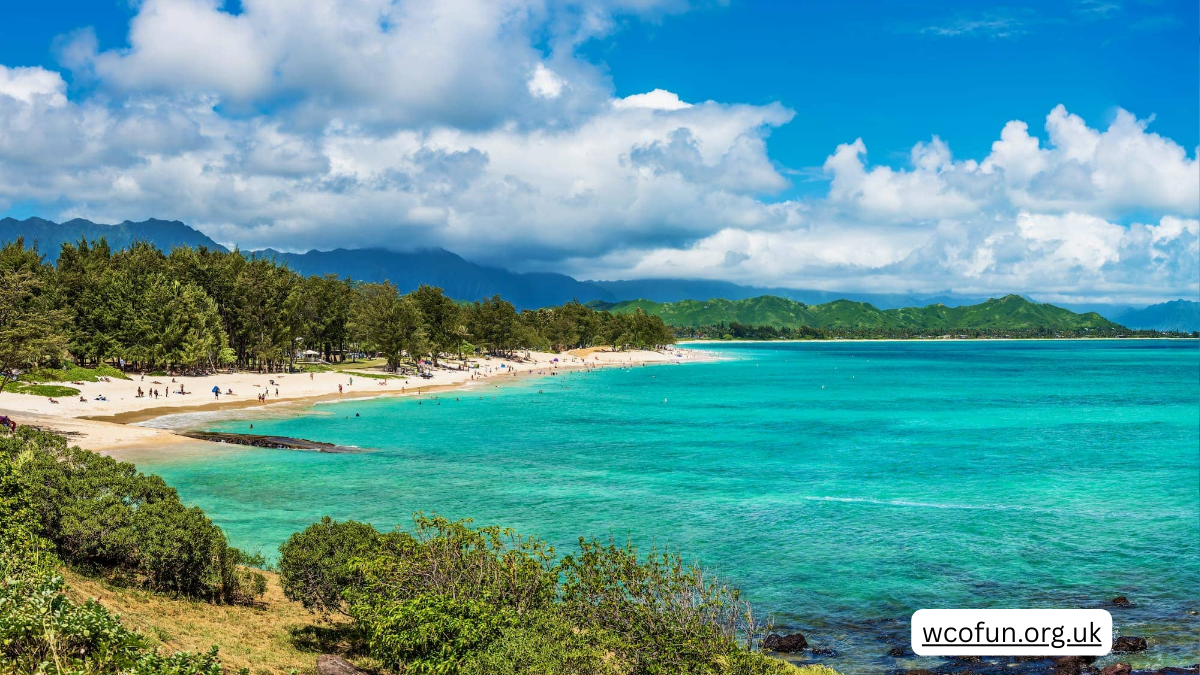
Along the western coastline of the Big Island of Hawaii lies a stretch of turquoise water that feels almost unreal. Calm waves roll gently toward white and golden sand, sailboats drift across the horizon, and coral reefs shimmer beneath clear tropical water. This is kailua bay, one of Hawaii’s most beloved coastal destinations and a centerpiece of the historic town of Kailua-Kona.
Travelers from around the world visit this bay for its relaxed atmosphere, exceptional snorkeling, marine life encounters, and deep cultural history. More than just a scenic beach area, kailua bay represents a place where Hawaiian heritage, ocean recreation, and community life blend seamlessly. From ancient canoe routes to modern sailing competitions, the bay has long been a focal point of island culture.
This in-depth guide explores everything visitors and researchers should know about the bay, including its geography, history, marine ecosystems, recreational activities, cultural significance, and travel planning tips. Whether you are planning a vacation or studying coastal environments, understanding kailua bay reveals why this location continues to hold such a powerful place in Hawaii’s identity.
Geographic Location and Coastal Landscape
Located along the western side of the island of Hawaii, kailua bay sits in the heart of Kailua-Kona, a historic seaside town known for its sunny climate and oceanfront charm. The bay is framed by lava rock formations and gently sloping beaches, creating a protected area of water ideal for recreational activities.
The bay’s geography also benefits from the Kona coast’s natural weather patterns. The surrounding volcanic terrain blocks much of the island’s rainfall, allowing the area around kailua bay to experience clear skies and warm temperatures throughout much of the year.
Geological Formation of the Kona Coastline
The coastline surrounding the bay formed through volcanic activity over thousands of years. Lava flows from the nearby volcanic systems eventually cooled and shaped the dramatic black rock formations that now border the shoreline.
These ancient lava flows created the natural contours that help shelter kailua bay from strong ocean swells. The result is a calm coastal environment that supports coral reefs, marine biodiversity, and safe recreational waters.
Historical Importance in Hawaiian Culture
Long before modern tourism arrived, kailua bay played a central role in Hawaiian society. The area served as an important gathering point for fishing, canoe travel, and cultural ceremonies.
The bay also lies near historically significant sites connected to Hawaiian royalty. Nearby coastal lands were once part of royal residences, giving kailua bay an important place in the cultural and political history of the Hawaiian Islands.
Early Western Contact and Exploration
The Kona coast became internationally known after the arrival of European explorers in the late eighteenth century. Sailors and traders began visiting the area, bringing new influences that gradually transformed Hawaiian society.
These encounters helped introduce kailua bay to the global maritime community. Over time, it evolved into a hub for commerce, navigation, and cultural exchange along the Pacific trade routes.
Climate and Weather Patterns
The Kona region enjoys one of the most favorable climates in Hawaii. Warm temperatures, gentle trade winds, and relatively low rainfall create a comfortable environment for both residents and visitors.
Because of these conditions, kailua bay remains accessible for water activities throughout much of the year. The combination of calm seas and predictable weather has made it one of the most popular coastal locations on the island.
Marine Ecosystems and Coral Reefs
Beneath the surface of the bay lies a vibrant marine ecosystem filled with coral reefs, tropical fish, and diverse ocean species. These underwater habitats play a vital role in maintaining ecological balance along the Kona coastline.
Snorkelers and marine researchers often explore the reefs surrounding kailua bay to observe colorful fish, sea turtles, and delicate coral formations that thrive in the clear Pacific waters.
Marine Wildlife and Biodiversity
The waters of the Kona coast support a remarkable variety of marine life. Dolphins, manta rays, and seasonal whales occasionally pass through the region, adding to the bay’s ecological richness.
Because of the protected environment, kailua bay serves as an important habitat for many species. Responsible tourism and conservation efforts help ensure these marine populations continue to thrive.
Snorkeling Opportunities and Underwater Exploration
Snorkeling is among the most popular activities for visitors exploring kailua bay. The clear water and accessible reefs make it easy to observe marine life even for beginners.
Many local guides lead snorkeling excursions that highlight the best coral formations and fish habitats. These experiences allow visitors to experience the beauty of kailua bay from a unique underwater perspective.
Kayaking and Paddle Sports
The calm conditions of the bay make it ideal for kayaking, stand-up paddleboarding, and canoeing. Visitors frequently launch from nearby beaches and explore the shoreline at a relaxed pace.
Paddling across kailua bay provides a panoramic view of the Kona coastline while allowing travelers to appreciate the peaceful rhythm of the ocean.
Sailing and Ocean Adventures
Sailing has long been part of the maritime culture of the Kona coast. Catamarans, traditional canoes, and modern sailing vessels often depart from nearby harbors to explore the surrounding waters.
Excursions around kailua bay frequently include sunset sails, snorkeling stops, and dolphin sightings, creating memorable experiences for travelers seeking ocean adventures.
Cultural Events and Community Life
Throughout the year, the bay hosts cultural celebrations and community gatherings that highlight Hawaiian traditions. These events connect residents and visitors with the island’s heritage.
Local festivals near kailua bay often feature traditional music, canoe races, and cultural performances that reflect the enduring spirit of Hawaiian culture.
The Bay’s Role in Endurance Sports
The Kona region is famous for hosting one of the world’s most challenging endurance events, the Ironman World Championship. Athletes from around the globe gather each year to compete in this prestigious race.
The swimming portion of the competition begins in kailua bay, where athletes enter the Pacific Ocean for the first stage of the triathlon. This event has further cemented the bay’s international reputation.
Comparing Popular Activities in the Bay
The bay offers a wide range of recreational opportunities for visitors with different interests. The following table highlights some of the most popular activities available.
| Activity | Experience Level | Key Attractions | Best Time |
|---|---|---|---|
| Snorkeling | Beginner to advanced | Coral reefs and tropical fish | Morning hours |
| Kayaking | Beginner friendly | Calm waters and coastal views | Early morning |
| Sailing | All levels | Sunset views and dolphin sightings | Late afternoon |
| Paddleboarding | Beginner to intermediate | Smooth ocean conditions | Morning |
These activities showcase why kailua bay remains a versatile destination for travelers seeking both adventure and relaxation.
Tourism and Local Economy
Tourism plays a major role in the economy of the Kona coast. Restaurants, shops, and tour operators throughout the area rely on visitors drawn to the natural beauty of the bay.
Businesses around kailua bay often emphasize sustainable tourism practices to protect the environment while supporting the local community.
Environmental Conservation Efforts
Protecting marine ecosystems has become a priority for conservation groups and local authorities. Programs aimed at reef protection and marine education help preserve the bay’s delicate habitats.
Efforts to maintain the health of kailua bay include responsible boating practices, coral monitoring, and community outreach initiatives.
The Experience of Visiting the Bay
Visitors often describe their first glimpse of the bay as unforgettable. The combination of bright blue water, volcanic coastline, and swaying palm trees creates a stunning tropical landscape.
Exploring kailua bay offers more than scenic beauty. It provides an opportunity to experience the cultural and ecological richness of Hawaii’s Big Island.
Travel Tips for First-Time Visitors
Planning ahead can help travelers make the most of their visit. Arriving early in the morning allows visitors to enjoy calmer waters and fewer crowds.
Many experienced travelers recommend exploring kailua bay during sunrise hours when the ocean appears especially vibrant and peaceful.
Seasonal Variations and Ocean Conditions
Although the Kona coast enjoys consistent weather, seasonal changes can still influence ocean conditions. Summer months often bring particularly calm seas ideal for water activities.
Winter months may bring occasional swells, but kailua bay typically remains more protected than other coastal areas on the island.
The Bay Through a Photographer’s Lens
Photographers frequently visit the bay to capture its vivid colors and dramatic coastal scenery. Sunrise reflections and sunset silhouettes create exceptional opportunities for landscape photography.
Images taken around kailua bay often highlight the contrast between deep blue ocean water and black volcanic rock formations.
Perspectives from Local Residents
Residents of the Kona coast often speak about the bay with deep affection and respect for its natural beauty.
As one longtime Kona resident once said, “The ocean here has its own rhythm, and the bay reminds us every day how closely life in Hawaii is tied to the sea.”
Future Preservation and Sustainable Tourism
Sustainable tourism is increasingly important for protecting Hawaii’s coastal environments. Education programs encourage visitors to respect marine life and minimize environmental impact.
The continued preservation of kailua bay depends on thoughtful management, community involvement, and responsible travel practices.
Conclusion
Kailua Bay represents far more than a scenic destination. It is a place where natural beauty, cultural heritage, and ocean adventure come together to create one of Hawaii’s most memorable coastal environments.
From snorkeling among coral reefs to watching a Pacific sunset from the shore, experiences in kailua bay leave lasting impressions. Its role in Hawaiian history, community life, and global tourism ensures that this remarkable bay will continue inspiring travelers for generations.
Frequently Asked Questions
Where is Kailua Bay located?
Kailua bay is located on the western coast of Hawaii’s Big Island in the historic town of Kailua-Kona.
What activities can visitors enjoy in Kailua Bay?
Visitors to kailua bay can enjoy snorkeling, kayaking, paddleboarding, sailing, and scenic ocean excursions.
Is Kailua Bay good for snorkeling?
Yes, kailua bay is well known for clear water and coral reefs that make it an excellent snorkeling destination.
Why is Kailua Bay famous?
Kailua bay is famous for its natural beauty, marine life, cultural history, and its role as the starting point for the Ironman World Championship swim.
When is the best time to visit Kailua Bay?
Morning hours are often considered the best time to experience kailua bay because ocean conditions are typically calm and visibility is excellent.
Also read
About the Author