leberkase
Leberkase: The Ultimate Guide to Bavaria’s Iconic Meat Loaf
Leberkase is one of the most beloved and misunderstood specialties of southern Germany and Austria. Despite its literal translation suggesting liver and cheese, this traditional baked meat loaf contains neither in its classic form, yet it remains a cornerstone of Bavarian cuisine and everyday food culture.
From bustling Munich butcher shops to Alpine beer gardens, this savory delicacy has transcended its humble origins to become a symbol of regional pride. In this authoritative guide, we explore its history, ingredients, preparation methods, regional variations, cultural relevance, and modern culinary reinvention with expert-level clarity and depth.
Origins and Historical Evolution
The roots of leberkase trace back to southern Germany, particularly Bavaria, where butchers developed finely emulsified meat loaves designed for efficiency and preservation. Historical references suggest it gained prominence in the late 18th century, evolving alongside improved meat grinding and baking techniques.
Its name is often debated among food historians. While “Leber” means liver and “Käse” means cheese, the terminology likely referred to loaf shape and texture rather than ingredients, reinforcing how culinary language can preserve tradition long after literal meaning fades.
Regional Identity in Bavaria and Austria
In Bavaria, leberkase is deeply embedded in daily life, commonly served in a crusty bread roll known as a “Semmel.” It appears at breakfast counters, street stalls, Oktoberfest celebrations, and family gatherings.
Across Austria, particularly in Upper Austria and Salzburg, similar versions exist under slightly different names and seasoning profiles. Despite subtle differences, the product remains a symbol of southern Germanic culinary craftsmanship.
Traditional Ingredients and Composition
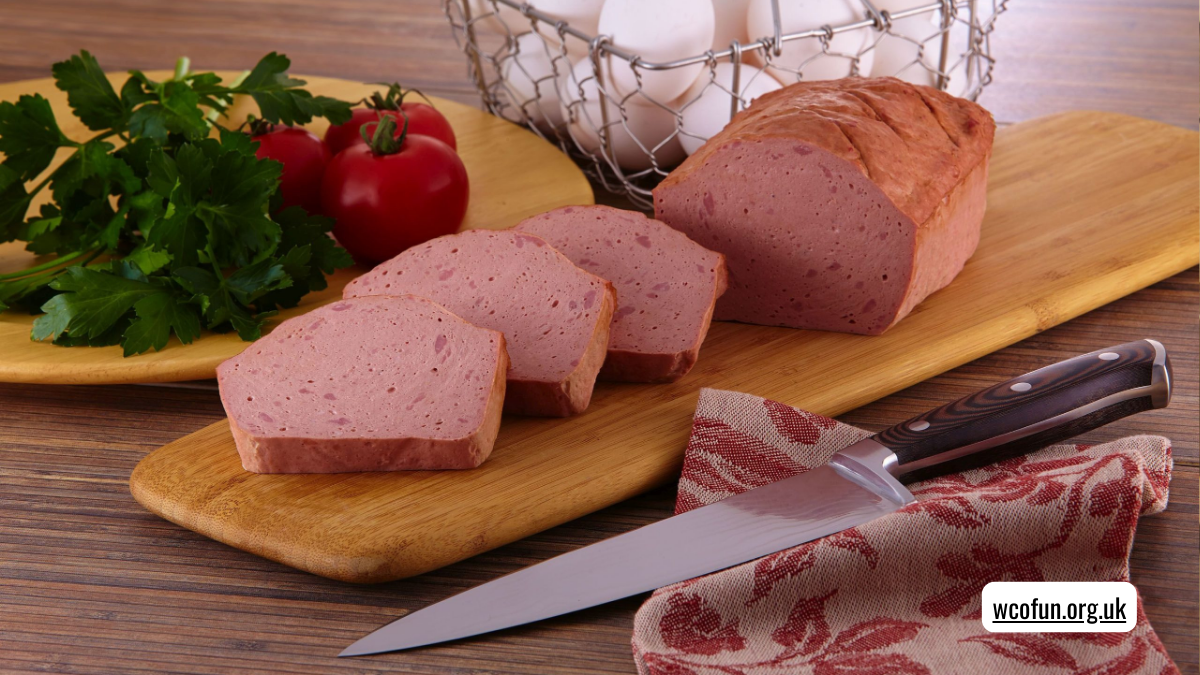
Classic leberkase consists of finely ground beef and pork blended with ice, salt, curing agents, and spices. The mixture is emulsified into a smooth paste before being baked in a rectangular mold.
The texture resembles a cross between sausage and pâté, though it is baked rather than stuffed into casings. This unique preparation method contributes to its firm sliceable consistency and golden-brown crust.
The Science Behind the Emulsion
The emulsification process is critical to authentic leberkase texture. Finely ground meat proteins bind with fat and ice water, creating a stable matrix that holds moisture during baking.
Temperature control is essential. If the mixture warms excessively before baking, the fat can separate, resulting in a crumbly loaf rather than the smooth, cohesive texture that defines quality production.
Traditional Baking Techniques
The mixture is packed tightly into loaf pans and baked at moderate temperatures. As it cooks, the top forms a signature domed crust that becomes deeply browned and aromatic.
Experienced butchers monitor internal temperature carefully to ensure doneness without dryness. The goal is a moist interior balanced by a caramelized exterior layer.
Flavor Profile and Sensory Experience
Leberkase offers a mild, savory flavor enhanced by subtle spice notes such as white pepper and marjoram. Its taste is not overpowering, which allows it to pair seamlessly with mustard and bread.
Texture plays a major role in enjoyment. The firm yet tender bite distinguishes it from coarse meatloaf or crumbly sausage varieties.
Popular Serving Styles
The most iconic presentation is a thick slice tucked inside a crusty roll with sweet Bavarian mustard. This handheld style transforms leberkase into convenient street food.
It is also served plated with potato salad, fried eggs, or sauerkraut. Warm slices are most common, though chilled versions appear in cold platters and picnic spreads.
Comparison with Similar European Meat Dishes
While often compared to French pâté or American meatloaf, leberkase differs in preparation and texture. Unlike pâté, it lacks a spreadable consistency and is baked rather than terrine-set.
Its closest relatives include Austrian Fleischkäse and certain Swiss meat loaves, yet each regional variant maintains unique seasoning nuances and structural characteristics.
Nutritional Profile and Dietary Considerations
Leberkase is protein-rich and calorie-dense, reflecting its origins as hearty sustenance. Its fat content contributes to flavor and mouthfeel but also increases caloric intake.
Moderation is key for balanced diets. Pairing with fresh vegetables or whole-grain bread can enhance nutritional balance without compromising traditional enjoyment.
Detailed Comparison of Variations
| Variation | Key Ingredients | Texture | Common Serving Style |
|---|---|---|---|
| Classic Bavarian | Beef, pork, spices | Smooth, firm | Roll with mustard |
| Käseleberkäse | Added cheese cubes | Creamy pockets | Hot slice on plate |
| Chili Version | Chili flakes | Slightly spicy | Sandwich style |
| Turkey Variant | Turkey meat | Leaner texture | Cold sliced platter |
| Wild Game | Venison blend | Rich, dense | Plated with sides |
These variations illustrate how leberkase adapts while preserving its foundational identity.
Cultural Symbolism and Tradition
In Bavaria, this dish transcends food and becomes cultural ritual. It accompanies festivals, communal gatherings, and everyday work breaks.
One Munich butcher once remarked, “Leberkase isn’t just something we sell; it’s something we grow up with.” That sentiment captures its intergenerational significance.
Modern Culinary Reinventions
Contemporary chefs experiment with organic meats, artisanal spices, and fusion toppings. Gourmet sandwiches featuring caramelized onions and specialty mustards elevate presentation.
Plant-based interpretations have also emerged, mimicking the traditional texture using soy or pea protein emulsions.
Street Food Phenomenon
Street vendors continue to drive its popularity. Affordable, filling, and portable, leberkase remains a staple of quick-service food culture.
Its accessibility ensures continued relevance across demographics, from students to professionals.
Production at Scale
Industrial production involves high-capacity emulsifiers and standardized spice blends. Large-scale operations ensure consistency and safety compliance.
Despite automation, craftsmanship remains central. Quality producers maintain tight control over meat sourcing and temperature precision.
Artisan Butcher Craftsmanship
Traditional butchers emphasize small-batch production. They often use locally sourced meat and proprietary seasoning blends.
The skill lies in balancing fat content and spice levels to create a harmonious final product.
Food Safety and Storage
Proper storage is essential. Freshly baked loaves should be refrigerated promptly to maintain quality and safety.
When reheating, gentle warming preserves moisture without drying the slice.
Pairings and Beverage Matches
Classic pairings include Bavarian wheat beer and mild lagers. The savory richness complements malty profiles.
Non-alcoholic options like apple spritzer also balance saltiness effectively.
International Popularity
German expatriate communities introduced leberkase to North America and Australia. Specialty delis now offer authentic imports.
Its global footprint remains niche but steadily growing among food enthusiasts.
Misconceptions About the Name
Many first-time diners expect cheese or liver. However, traditional recipes exclude both.
Understanding historical naming conventions helps clarify this long-standing culinary confusion.
Economic Importance in Regional Markets
Butcher shops across Bavaria rely on steady daily sales. It remains a reliable revenue driver due to consistent demand.
Seasonal festivals further amplify commercial importance.
Sustainability and Sourcing Trends
Modern consumers increasingly prioritize ethical sourcing. Grass-fed beef and antibiotic-free pork options are gaining traction.
Sustainable practices can enhance long-term brand loyalty and product appeal.
Home Preparation Guide
Preparing leberkase at home requires high-quality meat and a food processor capable of fine emulsification. Temperature management remains critical.
While labor-intensive, home preparation allows customization of seasoning and fat ratios.
Preservation and Freezing Techniques
Freezing sliced portions extends shelf life. Proper wrapping prevents freezer burn and texture degradation.
Thawing slowly in refrigeration maintains structural integrity.
Culinary Tourism and Food Culture
Visitors to Munich often seek authentic experiences at traditional markets. Sampling fresh slices becomes part of cultural immersion.
Food tourism continues to elevate regional specialties globally.
The Future of Leberkase
Innovation and tradition coexist in evolving food landscapes. Younger generations embrace both authenticity and creative twists.
As global palates diversify, leberkase remains anchored in heritage while adapting to contemporary tastes.
Conclusion
Leberkase represents far more than a simple baked meat loaf. It embodies regional identity, culinary precision, and enduring tradition rooted in Bavarian culture.
From artisan butcher counters to international delicatessens, its legacy continues to thrive. Understanding its history, preparation science, and cultural significance enriches appreciation for this iconic dish.
FAQ
What is leberkase made of?
Leberkase is traditionally made from finely ground beef and pork blended with spices and baked into a smooth loaf.
Does leberkase contain liver or cheese?
Classic leberkase contains neither liver nor cheese, despite what its name suggests.
How is leberkase typically served?
Leberkase is most commonly served warm in a crusty bread roll with sweet mustard.
Is leberkase healthy?
Leberkase provides protein but is calorie-dense, so moderation and balanced pairing are recommended.
Can you freeze leberkase?
Yes, leberkase can be sliced and frozen for later consumption without significantly affecting texture.
You may also read
About the Author