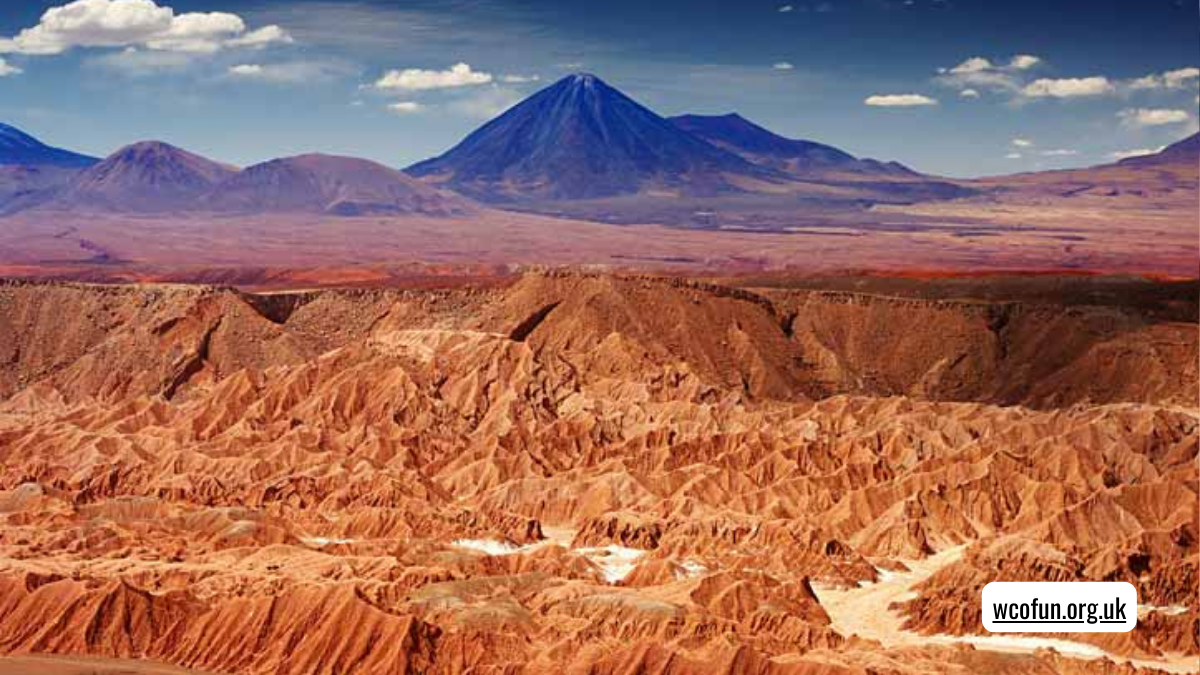
south america atacama
The South America Atacama desert stretches across northern Chile, renowned as one of the most extreme landscapes on Earth. Characterized by its arid terrain, salt flats, and unique geological formations, this desert offers a surreal and unforgettable experience for travelers, scientists, and adventure seekers alike. Its breathtaking vistas, ancient cultures, and astronomical significance make it a focal point for exploration and study. From the hauntingly beautiful Valle de la Luna to the high-altitude geysers of El Tatio, the Atacama is a destination where nature’s extremes meet human curiosity.
This article is your definitive guide to understanding, exploring, and appreciating the South America Atacama, offering practical insights, scientific context, and travel strategies designed to maximize your experience in one of the planet’s most remarkable deserts.
Geography and Climate of the South America Atacama
The South America Atacama stretches over 1,000 kilometers along Chile’s northern frontier, bordered by the Andes Mountains to the east and the Pacific Ocean to the west. This unique placement creates one of the most arid regions on Earth, where rainfall averages less than 15 millimeters per year in some areas. The desert’s climate is dominated by extreme temperature fluctuations, with scorching daytime heat and frigid nights, creating challenging conditions for both human habitation and ecosystems.
Despite its harsh environment, the Atacama hosts diverse microclimates. Coastal fogs, known locally as “camanchaca,” provide moisture that sustains unique flora, while high-altitude salt flats support specialized microorganisms adapted to extreme salinity. Understanding the geography and climate is essential for planning safe and enjoyable expeditions to this unforgiving yet mesmerizing desert.
Unique Landscapes and Geological Wonders
The South America Atacama is celebrated for its otherworldly landscapes. The Valle de la Luna (Moon Valley) is a geological marvel, featuring sculpted rock formations, sand dunes, and salt crusts that resemble lunar terrain. Visitors often find themselves captivated by the interplay of light and shadow at sunset, where the desert transforms into a surreal canvas of gold, orange, and deep violet hues.
Beyond Valle de la Luna, the Atacama is home to active geysers, high-altitude lagoons, and massive salt flats such as Salar de Atacama. These features are the result of volcanic activity, tectonic shifts, and centuries of mineral deposition. The desert’s geological complexity provides insights into Earth’s history and serves as an invaluable natural laboratory for scientists studying arid environments.
Flora and Fauna Adaptations
While the South America Atacama might appear lifeless, it supports unique ecosystems adapted to extreme conditions. Cacti, hardy shrubs, and specialized grasses thrive in areas where fog and minimal rainfall provide moisture. Many plants have evolved deep root systems and waxy coatings to conserve water, showcasing remarkable biological adaptations.
Animal life is equally resilient. Vicuñas, flamingos, and desert foxes inhabit regions near high-altitude salt flats and wetlands. Microbial life flourishes in the soil and salt crusts, some of which resemble conditions on Mars. The Atacama’s biodiversity, though limited in quantity, is extraordinary in its ability to survive in one of the planet’s harshest climates.
Astronomical Significance
The clear skies and low atmospheric humidity of the South America Atacama make it one of the best locations on Earth for astronomical observation. Observatories such as ALMA (Atacama Large Millimeter/submillimeter Array) are positioned in high-altitude plateaus to take advantage of these unparalleled conditions. The desert’s night sky offers an awe-inspiring view of the Milky Way, planets, and distant galaxies, drawing both professional astronomers and stargazing enthusiasts.
Astronomical tourism has also flourished in the Atacama, offering guided night tours with telescopes and expert explanations. As Dr. José Maza, a Chilean astronomer, notes: “The Atacama is not just a desert; it’s a gateway to the universe, where Earth meets the cosmos in clarity and wonder.”
Cultural and Historical Heritage
The South America Atacama has been home to indigenous peoples for thousands of years, including the Atacameño and Likan Antai communities. Archaeological sites reveal ancient settlements, petroglyphs, and ceremonial structures, highlighting the desert’s historical significance. These communities have developed sophisticated methods of water management, agriculture, and trade that allowed them to thrive despite extreme conditions.
Modern tourism often includes cultural immersion, offering visitors insights into traditional crafts, cuisine, and rituals. Understanding the Atacama’s cultural heritage enriches the travel experience, connecting visitors with a living history embedded in the desert’s unique landscapes.
Adventure and Outdoor Activities
Adventure seekers visiting the South America Atacama will find a range of activities suited to its diverse terrain. Trekking through sand dunes, mountain biking across salt flats, and exploring geyser fields are popular ways to experience the desert’s dramatic landscapes. Many travelers also engage in high-altitude trekking to witness stunning sunrise views over volcanic peaks and lagoons.
Photography and birdwatching are equally rewarding, with vibrant flamingos in the salt flats and unique rock formations providing perfect subjects. Adventure tourism in the Atacama emphasizes sustainable practices, ensuring that visitors can enjoy the desert’s beauty while preserving its delicate ecosystems.
Travel Tips and Logistics
Visiting the South America Atacama requires careful planning due to its extreme climate and remote locations. Most travelers access the desert through the city of San Pedro de Atacama, which offers accommodation, tours, and transportation options. High-altitude health precautions are recommended, especially when visiting areas like the Tatio Geysers or altiplano lagoons.
Water, sun protection, and layered clothing are essential for day-to-night temperature variations. Guided tours are highly recommended for safety and to gain local knowledge about geology, wildlife, and cultural heritage. With proper planning, the Atacama offers a once-in-a-lifetime travel experience that combines adventure, natural wonder, and cultural discovery.
South America Atacama Insights Table
| Feature | Description | Best Time to Visit | Key Attractions |
|---|---|---|---|
| Valle de la Luna | Lunar-like landscapes with sand dunes and salt formations | March–May, Sept–Nov | Sunset tours, photography |
| Salar de Atacama | Vast salt flats with flamingo populations | Year-round | Birdwatching, nature walks |
| El Tatio Geysers | High-altitude geothermal field | April–October | Sunrise tours, geothermal activity |
| Lagunas Altiplánicas | High-altitude lagoons with unique flora and fauna | May–Sept | Hiking, wildlife spotting |
| Astronomical Observatories | World-class stargazing and scientific research | Year-round | ALMA, night sky tours |
Ecotourism and Sustainability
Sustainable tourism in the South America Atacama is crucial due to its fragile environment. Many local operators prioritize eco-friendly practices such as limited group sizes, solar-powered facilities, and education on conservation. Visitors are encouraged to respect wildlife habitats, avoid littering, and support community-based initiatives.
Ecotourism not only preserves the desert’s natural beauty but also benefits local communities economically. By choosing responsible travel practices, tourists contribute to the long-term protection of one of the most extraordinary deserts on Earth.
Conclusion
The South America Atacama is more than just a desert; it is a living laboratory of extreme conditions, a canvas of extraordinary landscapes, and a home to resilient cultures. From its arid valleys and salt flats to its high-altitude geysers and clear night skies, the Atacama offers experiences that blend adventure, science, and cultural discovery. Careful planning, respect for local communities, and sustainable practices ensure that this desert continues to inspire awe for generations to come.
FAQ About South America Atacama
What makes the South America Atacama unique?
The South America Atacama is the driest desert on Earth, known for its dramatic landscapes, salt flats, and high-altitude geysers, offering a surreal and otherworldly experience.
When is the best time to visit the Atacama Desert?
The ideal months to explore the South America Atacama are March–May and September–November, when temperatures are moderate and skies are clear for sightseeing and stargazing.
Can I see wildlife in the South America Atacama?
Yes, the South America Atacama hosts unique wildlife, including flamingos, vicuñas, and desert foxes, particularly around salt flats and high-altitude lagoons.
How do I reach the Atacama Desert?
Most travelers reach the South America Atacama through San Pedro de Atacama in northern Chile, with connecting flights to Calama airport and local guided tours available.
What are the top attractions in the Atacama Desert?
Key attractions in the South America Atacama include Valle de la Luna, Salar de Atacama, El Tatio Geysers, high-altitude lagoons, and world-class astronomical observatories.
You may also read
About the Author