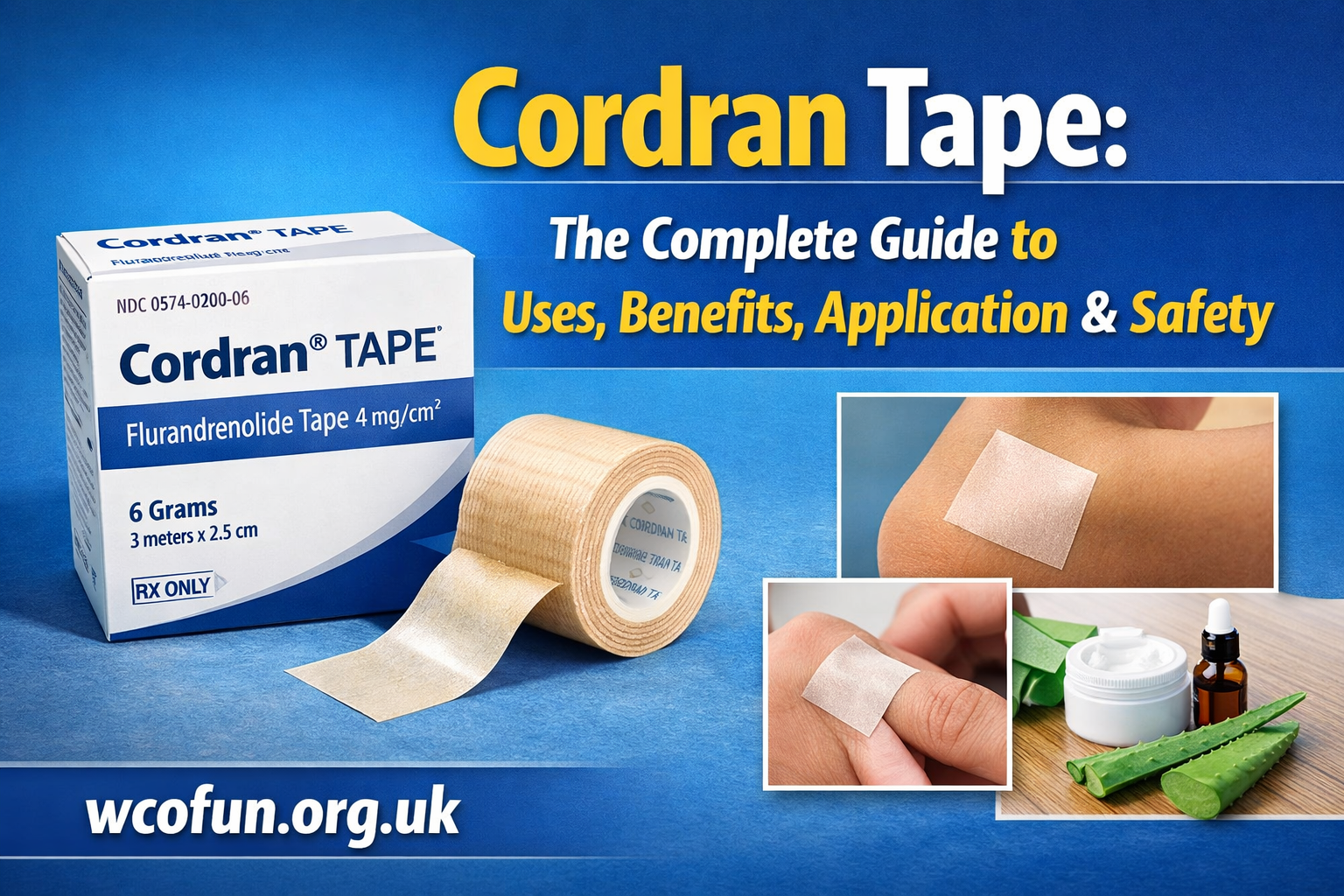
Cordran Tape
Cordran Tape is one of those dermatological solutions that often flies under the radar, yet it plays a powerful role in treating stubborn skin conditions. If you’ve ever struggled with persistent itching, inflammation, or thickened patches of skin that simply won’t respond to creams, this medicated tape might be exactly what your doctor recommends. Unlike traditional topical treatments, Cordran Tape offers a unique delivery system that keeps medication in constant contact with the affected area, making it both efficient and targeted.
In today’s fast-paced world, convenience matters just as much as effectiveness. That’s where Cordran Tape stands out. It eliminates the need for repeated application throughout the day and ensures that the medication remains in place without being wiped away or absorbed too quickly. This article dives deep into everything you need to know from how it works and what it treats to how to use it safely and effectively.
What Is Cordran Tape?
Cordran Tape is a medicated adhesive tape that contains a corticosteroid known as flurandrenolide. This active ingredient is widely used in dermatology to reduce inflammation, itching, and redness associated with various skin conditions. What makes unique is its occlusive nature it not only delivers medication but also seals the area, enhancing absorption and effectiveness.
Unlike creams and ointments that may rub off easily or require frequent reapplication, Cordran Tape stays firmly in place. This makes it particularly useful for areas that are difficult to treat with traditional methods, such as elbows, knees, or other joints. The tape also helps prevent scratching, which can worsen skin conditions and delay healing.
How Cordran Tape Works on the Skin
The effectiveness of Cordran Tape lies in its dual-action mechanism. First, the corticosteroid reduces inflammation by suppressing the immune response in the affected skin. This helps calm redness, swelling, and itching, providing much-needed relief for patients dealing with chronic skin issues.
Second, the occlusive barrier created by the tape increases the absorption of the medication into the skin. This means the active ingredient penetrates deeper and works more efficiently than it would in a standard cream or lotion. Additionally, the tape keeps the area hydrated, which further supports healing and reduces dryness or scaling.
Common Uses of Cordran Tape
Cordran Tape is primarily prescribed for inflammatory skin conditions that do not respond well to regular topical treatments. One of its most common uses is in the treatment of psoriasis, where it helps reduce thick, scaly patches and soothes irritation. Its targeted approach makes it ideal for localized plaques that require consistent medication exposure.
It is also widely used for eczema and dermatitis, conditions characterized by itching, redness, and irritation. In these cases, Cordran Tape not only delivers medication but also protects the skin from external irritants. Other uses include treating lichen simplex chronicus and certain allergic reactions, where the skin becomes thickened due to repeated scratching.
Key Benefits of Cordran Tape
One of the biggest advantages of Cordran Tape is its ability to deliver medication directly to the affected area without interruption. This targeted approach ensures maximum effectiveness while minimizing exposure to surrounding healthy skin. As a result, patients often experience faster relief compared to traditional treatments.
Another key benefit is convenience. Once applied, the tape can remain in place for extended periods, reducing the need for frequent reapplication. This makes it especially useful for individuals with busy schedules or those who struggle to maintain consistent treatment routines. Additionally, the protective barrier helps prevent further irritation and supports the natural healing process.
How to Apply Cordran Tape Properly
Applying Cordran Tape correctly is essential to achieving the best results. Start by gently cleaning and drying the affected area. This ensures that the tape adheres properly and that no dirt or oil interferes with the medication. Cut a piece of tape that fits the area precisely, avoiding overlap onto healthy skin.
Once applied, press the tape firmly to ensure it sticks well. It is typically left in place for 12 to 24 hours, depending on your doctor’s instructions. Avoid using the tape on broken or infected skin unless specifically advised. Proper application not only improves effectiveness but also reduces the risk of side effects.
Dosage and Usage Guidelines
The frequency and duration of Cordran Tape use depend on the severity of the condition being treated. In most cases, it is applied once or twice daily, with each piece left on for a specified period. It’s important to follow your healthcare provider’s instructions closely, as overuse can lead to unwanted side effects.
Consistency is key when using Cordran Tape. Skipping applications or removing the tape too early can reduce its effectiveness. On the other hand, prolonged use without medical supervision can increase the risk of complications. Always consult your doctor if you are unsure about how to use it properly.
Side Effects and Risks
Like any medication, Cordran Tape comes with potential side effects. Common ones include mild skin irritation, burning, or itching at the application site. These symptoms are usually temporary and tend to resolve as your skin adjusts to the treatment.
However, prolonged or excessive use can lead to more serious issues such as skin thinning, stretch marks, or changes in pigmentation. In rare cases, the corticosteroid may be absorbed into the bloodstream, leading to systemic effects. If you notice unusual symptoms or worsening of your condition, it’s important to stop using the tape and consult a healthcare professional immediately.
Precautions and Safety Tips
Before using Cordran Tape, it’s important to consider certain precautions. It should not be used on infected skin unless prescribed alongside appropriate treatment. Individuals with sensitive skin or a history of allergic reactions should use it with caution and monitor for any adverse effects.
Special care should be taken when using Cordran Tape on children, as their skin absorbs medication more readily. Pregnant or breastfeeding individuals should consult a doctor before use. Additionally, avoid covering large areas of the body unless specifically instructed, as this can increase the risk of systemic absorption.
Cordran Tape vs Other Treatments
When compared to creams and ointments, Cordran Tape offers a more controlled and consistent delivery of medication. Its occlusive nature enhances absorption, making it more effective for stubborn or localized conditions. This makes it a preferred option for patients who have not responded well to other treatments.
However, it may not be suitable for all situations. For widespread skin conditions, creams or lotions may be more practical. The choice between Cordran Tape and other treatments ultimately depends on the specific condition, its severity, and the patient’s individual needs.
Tips for Maximizing Results
To get the most out of Cordran Tape, it’s important to maintain good skin hygiene. Keep the affected area clean and avoid using harsh soaps or irritants. Moisturizing the surrounding skin can also help support overall skin health.
Combining Cordran Tape with other treatments, such as prescribed moisturizers or oral medications, may enhance results. Lifestyle changes, including reducing stress and avoiding known triggers, can also play a significant role in managing chronic skin conditions effectively.
Cost, Availability, and Prescription Details
Cordran Tape is typically available by prescription, as it contains a potent corticosteroid. The cost can vary depending on the region, pharmacy, and insurance coverage. While it may be more expensive than over-the-counter options, its effectiveness often justifies the investment.
Many pharmacies carry Cordran Tape, and it can also be ordered online with a valid prescription. If cost is a concern, discuss alternatives or generic options with your healthcare provider.
Expert Opinions and Medical Insights
Dermatologists often recommend Cordran Tape for patients with localized, treatment-resistant skin conditions. Its ability to deliver medication effectively while protecting the skin makes it a valuable tool in modern dermatology.
Clinical experience suggests that patients who use Cordran Tape as directed often see noticeable improvements within a short period. However, experts emphasize the importance of proper usage and regular follow-ups to ensure safety and effectiveness.
Conclusion
Cordran Tape stands out as a highly effective solution for managing stubborn skin conditions. Its unique combination of medication delivery and occlusion offers targeted relief that many traditional treatments cannot match. From psoriasis and eczema to other inflammatory conditions, it provides a practical and efficient approach to skin care.
That said, like any medical treatment, it must be used responsibly. Following proper application techniques, adhering to dosage guidelines, and consulting a healthcare professional are essential steps in achieving the best results. When used correctly, Cordran Tape can significantly improve both skin health and quality of life.
FAQs
What is Cordran Tape used for?
It is used to treat inflammatory skin conditions like psoriasis, eczema, and dermatitis.
How long should I keep Cordran Tape on my skin?
Typically between 12 to 24 hours, depending on medical advice.
Can Cordran Tape be used daily?
Yes, but only as directed by a healthcare professional.
Are there any side effects of prolonged use?
Yes, including skin thinning and potential systemic absorption.
Is Cordran Tape safe for children?
It can be used with caution under medical supervision.
Can I use Cordran Tape on sensitive areas?
Only if prescribed by a doctor, as sensitive areas require extra care.
Do I need a prescription to buy Cordran Tape?
Yes, it is usually prescription-only.
How quickly does Cordran Tape show results?
Many users notice improvement within a few days of consistent use.
Also Read: jeff kay
About the Author